
Rooftop Tent Types: Technical Classification Guide
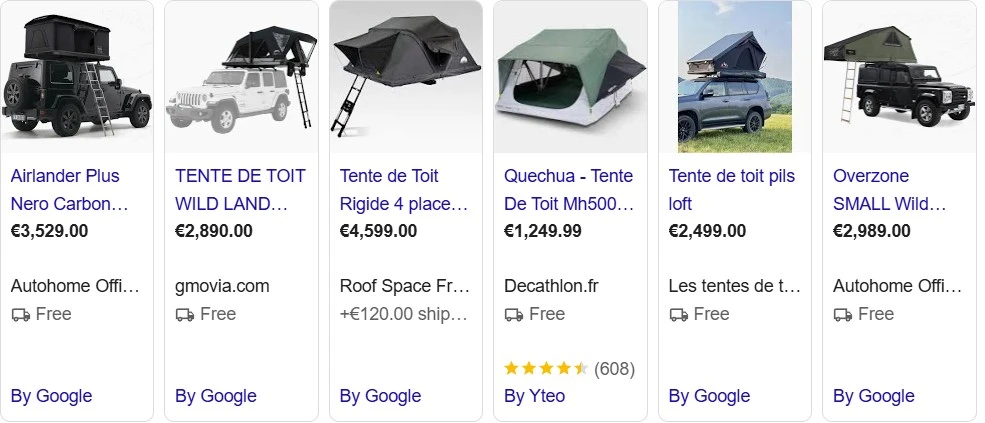
Construction Methods Define Performance Characteristics
Rooftop tent performance stems from construction approach rather than marketing claims. Three primary construction methods dominate the market, each engineered for specific performance parameters.
Construction type determines setup time, weight capacity, weather resistance, and price point. Understanding these relationships enables accurate tent selection based on actual requirements rather than promotional features.
Primary Construction Categories
Hard Shell Tents
Rigid outer casing using ABS plastic, fiberglass, or aluminum construction.
Technical Specifications:
- Weight range: 45-90 kg
- Setup time: 30-120 seconds
- Dynamic load requirement: 75-100 kg roof capacity
- Weather rating: All-season capable
Engineering Advantages:
- Low aerodynamic profile (20-35cm closed height)
- Integrated structural support eliminates setup complexity
- Weatherproof seal integrity in closed position
- Minimal maintenance requirements
Limitations:
- Higher cost per square meter of sleeping space (prices by brand)
- Limited interior volume when deployed
- Requires robust mounting system due to concentrated weight
Soft Shell Tents
Fabric construction with rigid base platform and weather-resistant textile walls.
Technical Specifications:
- Weight range: 35-70 kg
- Setup time: 3-8 minutes
- Dynamic load requirement: 50-75 kg roof capacity
- Weather rating: 3-season standard, 4-season available
Engineering Advantages:
- Maximum interior space per unit weight
- Lower cost per sleeping capacity
- Modular design allows component replacement
- Reduced vehicle fuel consumption when traveling
Limitations:
- Manual setup process requires user involvement
- Larger packed dimensions affect aerodynamics
- Fabric components require periodic maintenance
Hybrid Tents
Combined construction using hard shell base with deployable soft shell extensions.
Technical Specifications:
- Weight range: 55-85 kg
- Setup time: 90-180 seconds
- Dynamic load requirement: 75-90 kg roof capacity
- Weather rating: 4-season capable
Engineering Advantages:
- Balances interior space with setup convenience
- Aerodynamic travel position with expanded living area
- Structural stability from rigid components
- Weather protection during deployment
Limitations:
- Complex mechanism increases failure points
- Higher manufacturing cost than single-construction methods
- Maintenance requirements for both hard and soft components
Opening Mechanism Classification
Deployment method determines setup time, ease of use, and mechanical reliability. Three primary mechanisms serve different user requirements.
| Mechanism Type | Setup Time | User Effort | Reliability Rating |
|---|---|---|---|
| Pop-Up (Vertical) | 30-60 seconds | Minimal | High |
| Fold-Out (Horizontal) | 3-8 minutes | Moderate | Very High |
| Clamshell (Angled) | 60-120 seconds | Low | High |
Pop-Up Mechanisms
Vertical deployment using gas struts or hydraulic systems.
- Fastest deployment across all tent types
- Requires minimal user physical input
- Limited to hard shell construction methods
- Interior height constrained by closed profile requirements
Fold-Out Mechanisms
Horizontal extension beyond vehicle footprint.
- Maximum interior floor space per tent weight
- Manual operation increases reliability
- Compatible with soft shell and hybrid construction
- Extended setup time suitable for longer-stay camping
Clamshell Mechanisms
Angled opening creating wedge-shaped interior.
- Balanced setup time and interior volume
- Gas strut assistance common
- Hard shell construction standard
- Suitable for frequent deployment scenarios
Size Categories by Occupancy Rating
Tent sizing follows standardized occupancy ratings based on interior floor dimensions and weight capacity. Selection requires matching tent specifications with actual user requirements and vehicle compatibility.
Compact Tents (1-2 Persons)
Dimensions: 120-140cm x 210-240cm
Interior Height: 95-110cm
Weight Range: 35-65 kg
Vehicle Compatibility:
- Sedans and hatchbacks with appropriate roof rails
- Compact SUVs with 75+ kg dynamic roof capacity
- Minimal impact on vehicle aerodynamics and fuel consumption
Standard Tents (2-3 Persons)
Dimensions: 140-160cm x 240-280cm
Interior Height: 110-125cm
Weight Range: 50-80 kg
Vehicle Compatibility:
- Mid-size SUVs and pickup trucks
- Requires 85+ kg dynamic roof capacity
- Balanced size-to-weight ratio for most applications
Large Tents (3-4+ Persons)
Dimensions: 160-200cm x 280-320cm
Interior Height: 120-135cm
Weight Range: 70-110 kg
Vehicle Compatibility:
- Full-size SUVs and pickup trucks with bed racks
- Requires 100+ kg dynamic roof capacity
- Significant aerodynamic impact requires consideration
Environmental Rating Systems
Weather capability follows established outdoor equipment rating standards. Understanding these classifications prevents equipment failure in adverse conditions.
3-Season Rating
Designed for spring, summer, and autumn use in moderate climates.
Technical Specifications:
- Temperature range: -5°C to +35°C operational
- Wind resistance: Tested to 60 km/h sustained
- Precipitation rating: Light to moderate rain protection
- Ventilation: Prioritized for warm weather comfort
4-Season Rating
Engineered for year-round use including winter conditions.
Technical Specifications:
- Temperature range: -20°C to +40°C operational
- Wind resistance: Tested to 100+ km/h sustained
- Precipitation rating: Heavy rain and snow protection
- Insulation: Enhanced thermal properties for cold weather
Vehicle Compatibility Matrix
Tent selection must align with vehicle specifications to ensure safe operation and legal compliance. Dynamic and static load ratings determine compatibility boundaries.
| Vehicle Category | Typical Dynamic Load | Compatible Tent Types | Installation Considerations |
|---|---|---|---|
| Sedans/Hatchbacks | 50-75 kg | Compact soft shell | Roof rail upgrade often required |
| Compact SUVs | 75-100 kg | Compact to standard, all types | Standard roof rack compatibility |
| Mid-Size SUVs | 100-150 kg | All sizes, all construction types | Optimal compatibility range |
| Pickup Trucks | 150-300 kg | All sizes, bed rack options | Bed rack systems recommended |
Specialized Application Categories
Beyond basic construction and size classifications, specialized tent designs serve specific use cases with optimized feature sets.
Overlanding Specification Tents
Engineered for extended remote travel with emphasis on durability and quick deployment.
- Reinforced mounting systems for rough terrain
- Rapid setup mechanisms for frequent camp changes
- Enhanced weather sealing for diverse climates
- Weight optimization for loaded vehicle dynamics
Base Camp Configuration Tents
Designed for extended stationary use with emphasis on interior comfort and space.
- Large floor areas with high interior volume
- Integrated awning and annexe compatibility
- Enhanced ventilation systems for extended occupancy
- Modular expansion capabilities
Selection Methodology
Effective tent selection follows systematic evaluation of vehicle compatibility, usage requirements, and environmental conditions.
Step 1: Vehicle Assessment
- Verify dynamic roof load rating from manufacturer specifications
- Confirm roof rail type and mounting point availability
- Calculate total system weight including tent, occupants, and gear
Step 2: Usage Pattern Analysis
- Determine primary camping duration (weekend vs extended)
- Identify typical deployment frequency requirements
- Assess environmental conditions and seasonal usage
Step 3: Technical Matching
- Match tent weight to vehicle capacity with safety margin
- Select construction type based on setup time requirements
- Verify weather rating matches intended use conditions
Summary
Rooftop tent selection requires systematic evaluation of technical specifications rather than marketing features. Construction type, opening mechanism, size category, and environmental rating must align with vehicle capabilities and usage requirements. Understanding these technical relationships ensures optimal tent performance while maintaining vehicle safety and legal compliance.
Find rooftop tents near you
Rent from local owners and try before you buy.